FIROZ KHAN

Unlock Your Apartment’s Green Potential: Creative Vertical Gardening Ideas for Indian Homes

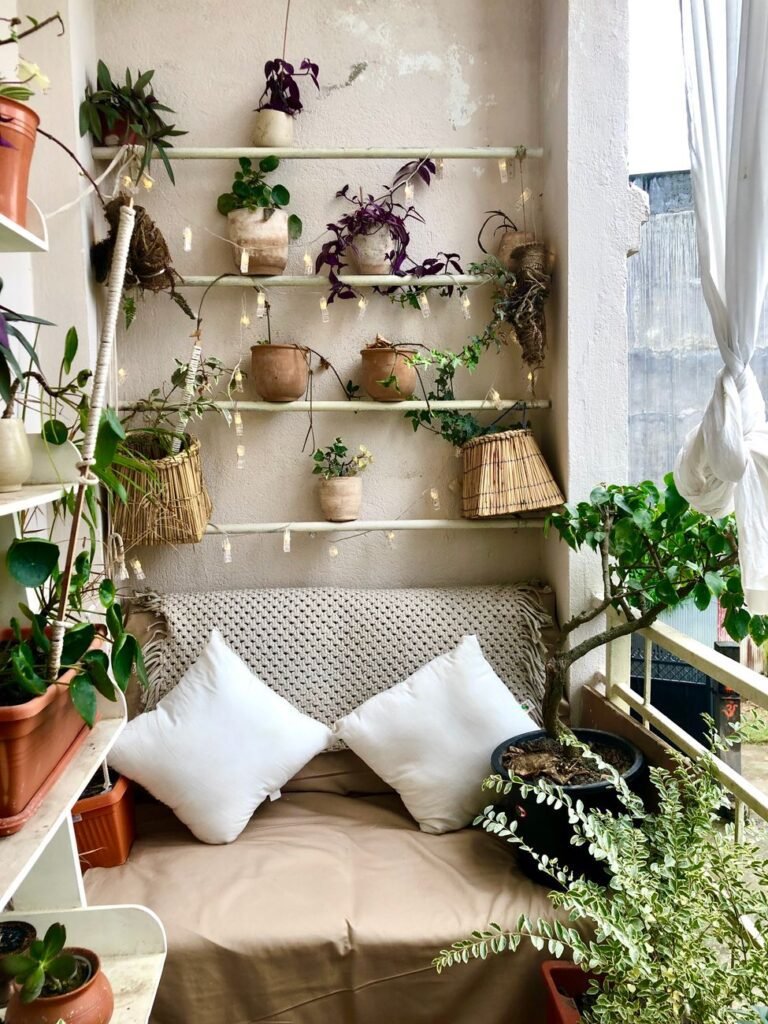
Unlock Your Apartment’s Green Potential: Creative Vertical Gardening Ideas for Indian Homes Hello fellow plant lovers! It’s your seasoned amateur gardener here, ready to chat about transforming those often-underutilised small spaces into a lush haven. If you’re anything like me, living in an Indian apartment means constantly dreaming of more greenery but running out of horizontal real estate faster than you can say ‘ficus elastica’. But fear not, my friends, because I’ve learned a thing or two through my own trials and errors: vertical gardening is our superpower! It’s truly a game-changer for balconies, patios, and even sunny indoor walls. Imagine fresh herbs just a pluck away, or a cascade of colourful blooms greeting you every morning, all without sacrificing precious floor space. Let’s dive into some practical, budget-friendly ways to get your vertical garden flourishing, right here in our vibrant Indian climate. 1. Choosing Your Canvas: The Right Vertical Structure This is where the fun begins! Your structure will be the backbone of your vertical garden. For apartment dwellers, flexibility and stability are key. You could go the DIY route with repurposed wooden pallets (just ensure they’re safe and treated!), which can be leaned against a wall and fitted with pots. Old shelves or even ladder-style units work wonderfully, providing tiers for your plants. Wall-mounted fabric grow bags or plastic planters are excellent for a clean look and are often quite affordable. PVC pipes cut in half and mounted can also create fantastic rows for herbs or succulents. Believe me, I’ve experimented with everything from old shoe organisers to custom-made metal frames; the trick is to find something sturdy enough to hold moist soil and plants, especially during our monsoons, and light enough if you need to move it. 2. Picking Your Green Pals: Plant Selection for Vertical Life Not all plants are cut out for vertical living, and that’s okay! Focus on those that don’t need deep root systems and can handle the varied light conditions. For a sunny balcony, think about leafy greens like spinach, lettuce, and coriander, along with herbs like mint, basil, and oregano – imagine the fresh chutneys! Small flowering plants like petunias, portulaca, and even some varieties of marigolds add a splash of colour. Succulents are fantastic for vertical gardens due to their low water needs and ability to thrive in shallower pockets. For shadier spots, consider ferns or money plants. Remember, Indian summers are intense, so choose hardy varieties that can withstand the heat, and provide some afternoon shade if possible. 3. The Thirst Quencher: Watering Your Vertical Oasis Wisely Vertical gardens, by their very nature, can dry out faster than traditional ground beds. The exposed sides mean quicker evaporation, especially during our hot Indian summers. Hand watering is always an option, but for convenience, especially if you have multiple tiers, consider a simple DIY drip irrigation system using old water bottles with small holes or even a basic micro-drip kit available at most nurseries for a few hundred rupees. During the monsoon, ensure excellent drainage to prevent root rot; too much water is just as harmful as too little. Always check the soil moisture with your finger before watering – a good rule of thumb I live by! 4. Sunlight’s Embrace: Finding the Perfect Spot Sunlight is non-negotiable for most plants, and in a vertical setup, it’s even more crucial. Observe your balcony or chosen wall throughout the day. Does it get morning sun, harsh afternoon sun, or dappled light? Arrange your plants accordingly – sun-loving herbs and vegetables at the top or in the brightest spots, and shade-tolerant plants lower down or in areas with less direct light. If your setup allows, rotate your vertical garden every few weeks to ensure all plants get their fair share of sunshine. My own south-facing balcony gets scorching afternoon sun in summer, so I often place my more delicate plants behind a screen or move them to a slightly shadier spot during peak hours. 5. Food for Thought: Soil and Nutrition A good quality, light potting mix is essential for vertical gardens. Heavy garden soil can compact and become waterlogged, stressing your plants and making your structure too heavy. Look for mixes that are well-draining yet retain some moisture, often incorporating coco-peat, perlite, and compost. Since plants in containers have limited access to nutrients, regular feeding is vital. I prefer using organic liquid fertilisers diluted in water every couple of weeks, or slow-release granular fertilisers at the beginning of the growing season. A little compost tea or vermicompost every now and then gives them a fantastic boost, too! 6. Keeping It Tidy: Maintenance and Pest Patrol Regular maintenance is the secret to a thriving vertical garden. Dedicate a few minutes each week to ‘plant patrol’. This includes pinching off spent flowers, removing yellowing leaves, and gently pruning overgrown plants to encourage bushier growth. Keep an eye out for common Indian garden pests like aphids, mealybugs, and spider mites. A simple neem oil spray, diluted with water and a tiny bit of dish soap, is my go-to organic solution for these unwelcome visitors. Early detection is key, so don’t wait until you have a full-blown infestation! Creating a vertical garden in your apartment is an incredibly rewarding journey, transforming small spaces into vibrant, living works of art. It’s not just about growing plants; it’s about cultivating a little slice of peace and fresh air right where you live. If you’re ready to embark on your vertical gardening adventure and need healthy, ready-to-grow plants, look no further than Wynorg Nursery. We offer a fantastic selection of robust, well-established plants perfect for any vertical setup, delivered right to your doorstep, making your green dreams a reality!

Unlock Your Apartment’s Green Potential: Creative Vertical Gardening Ideas for Indian Homes Read More »

Green Retreats: Best Plants for Small Balconies in Indian Apartments

Green Retreats: Best Plants for Small Balconies in Indian Apartments Hi there, fellow plant parent! I’m Maya, and if there’s one thing I know, it’s making the most of a tiny urban balcony. Living in a bustling city like Mumbai, my balcony is my little sanctuary, and for years I’ve been experimenting with plants that not only survive but truly thrive in limited space and our unique Indian climate. It’s all about practical tips that actually work, without the fuss! If you’re dreaming of a lush, vibrant green corner, even with just a few square feet to spare, you’re in the right place. Let’s get your small balcony flourishing! The Space Savers: Choosing Your Green Companions Wisely The secret to a successful small balcony garden in India begins with plant selection. You need varieties that are compact, don’t mind a pot, and can handle our tropical summers and monsoons. Forget sprawling giants; think vertical appeal and dense foliage! Herbs Galore: Mint, coriander, basil, and curry leaf are absolute winners. They stay relatively compact, are incredibly useful in the kitchen, and bring a lovely fragrance. Just ensure they get a good few hours of sunlight. Flowering Charms: For a splash of colour, consider Vinca ( सदाबहार ), Portulaca (मोसरोज), or dwarf Petunias. They love the sun, bloom profusely, and don’t need much depth in their pots. Resilient Foliage: Snake Plant (Sansevieria), ZZ Plant, and Pothos (Money Plant) are super adaptable. They tolerate varying light conditions, purify the air, and require minimal attention – perfect for busy city dwellers. They also fit well with Vastu principles for prosperity and positive energy. Succulents & Cacti: If your balcony gets ample sun and you’re a minimalist gardener, these require very little water and offer unique textures. Thinking Upwards: Vertical Gardening & Hanging Wonders When floor space is scarce, the only way is up! Utilising vertical space is a game-changer for small balconies. Hanging Baskets: Trailing plants like Money Plant, Rhoeo, or even small ferns look fantastic cascading down. They free up floor space and create a layered look. Railing Planters: These clever planters hook directly onto your balcony railing, making use of otherwise unused space. Ideal for herbs or small flowering plants. Tiered Stands & Shelves: A compact, multi-tiered plant stand can hold several pots in the footprint of just one, allowing you to display a variety of plants beautifully. Look for sturdy, rust-resistant metal or bamboo options. Wall-Mounted Planters: If you have a bare wall, consider fabric pocket planters or small individual pots mounted directly. Great for an edible wall of herbs! Watering Wisely for Indian Weather Our Indian climate means you need a smart watering strategy. It’s not just about giving water, but knowing when and how much. Summer Heat: During scorching summers, most potted plants will need daily watering, especially if they are in terracotta pots which dry out faster. Water early in the morning or late in the evening to minimise evaporation. Monsoon Magic (and Moisture): The monsoon brings welcome relief, but also humidity and potential waterlogging. Ensure all your pots have excellent drainage holes. Elevate pots slightly if needed to prevent water from sitting at the bottom. Reduce watering frequency, letting the soil dry out between showers to prevent root rot. Check Before You Water: Always stick your finger an inch or two into the soil. If it feels dry, it’s time to water. If it’s still damp, wait. Light Matters: Understanding Your Balcony’s Sun Map Every balcony has its unique light conditions, and understanding yours is key to happy plants. Observe your balcony through the day – how many hours of direct sun does it get? Is it morning sun, afternoon sun, or mostly shade? Full Sun (6+ hours direct sun): Ideal for most flowering plants (Hibiscus, Bougainvillea), many herbs, and vegetables like tomatoes or chillies if you’re ambitious! Partial Sun (3-6 hours direct sun): Perfect for plants like Peace Lily, Pothos, Snake Plant, and many foliage plants. Some herbs like mint also do well here. Shade (less than 3 hours direct sun, or indirect bright light): Don’t despair! You can still grow ZZ Plants, ferns, and even some varieties of Lucky Bamboo. Keeping Pests at Bay & Soil Happy Healthy soil and a little vigilance go a long way in keeping your plants happy and pest-free, even in a small space. Quality Potting Mix: Start with a good quality, well-draining potting mix. It’s worth the small investment of a few hundred rupees for a bag, as it provides essential nutrients and aeration. Organic Fertiliser: Every few weeks, give your plants a boost with organic liquid fertiliser or vermicompost. This is especially important for potted plants whose soil nutrients get depleted faster. Natural Pest Control: Keep an eye out for pests. A simple neem oil spray (diluted in water) is an excellent organic solution for common pests like aphids and mealybugs. Spray early in the morning or late in the evening. Regularly wiping leaves also helps keep dust and potential pests away. Transforming your small balcony into a green oasis is incredibly rewarding. It’s a space where you can unwind, enjoy nature, and watch your efforts bloom, right in the heart of the city. Remember, even with limited space, a little planning and the right choices can lead to a thriving mini-garden. Ready to start your own balcony garden or add some new green friends? Head over to Wynorg Nursery! We offer a fantastic selection of healthy, ready-to-grow plants perfect for Indian balconies, delivered safely to your doorstep. From resilient herbs to vibrant flowering plants, you’ll find everything you need to bring your green dreams to life. Happy gardening!

Green Retreats: Best Plants for Small Balconies in Indian Apartments Read More »

Unlock Your Balcony’s Potential: A Guide to Small Space Gardening in India

Unlock Your Balcony’s Potential: A Guide to Small Space Gardening in India Namaste, my dear plant lovers! Sunita here, with a little chat about making the most of your lovely balconies, no matter how small they seem. I know, I know, sometimes we look at our cozy balconies and wonder, ‘Can I really grow anything here?’ But believe me, beti, even a tiny nook can become a lush green haven with a little planning and a lot of love. It’s not just about adding beauty; it’s about bringing peace, fresh air, and perhaps even some home-grown goodness into your apartment life. Chalo, let’s turn those small spaces into big gardening joys! 1. Smart Plant Choices for Compact Spaces The first secret, my darlings, is choosing your plant companions wisely. For small balconies, think ‘up’ and ‘compact.’ Instead of sprawling plants, look for varieties that grow vertically or stay naturally bushy without taking up too much horizontal space. Herbs Galore: Mint, coriander, basil, and ajwain are perfect. They don’t need deep roots and smell wonderful. Compact Vegetables: Cherry tomatoes, chillies, spinach, and even some dwarf brinjal varieties can thrive in pots. Flowering Beauties: Marigolds, petunias, portulaca (moss rose), and vinca (periwinkle) offer vibrant colours without demanding too much space. Air Purifiers: Snake plants (Sansevieria), ZZ plants, and Money Plants are excellent, low-maintenance choices that also improve air quality, perfect for city living. 2. Maximise Space with Vertical Gardening & Smart Containers When horizontal space is limited, we look up! Vertical gardening is a boon for Indian apartments. Think multi-tiered stands, hanging baskets, and railing planters. Stackable Planters: These are a fantastic investment, allowing you to grow multiple plants in one footprint. Hanging Baskets: Ideal for trailing plants like petunias, money plants, or even strawberries. Just ensure your balcony ceiling can support the weight. Railing Planters: These hook directly onto your balcony railing, utilising otherwise unused space. Just pick lightweight plastic ones, especially if you live in a windy area, for safety. Wall-Mounted Planters: If you have a bare wall, consider installing shelves or pocket planters. Just ensure they are secure and won’t cause dampness issues on your building’s exterior. 3. The Right Foundation: Pots & Potting Mix Good drainage is paramount, beti, especially with our heavy monsoons. Always choose pots with drainage holes. For small balconies, lightweight plastic or fibre pots are often better than heavy terracotta, which can add significant weight and might not be suitable for all balcony structures. Your potting mix should be light, well-draining, and nutrient-rich. A good mix typically includes garden soil, coco peat (for water retention and lightness), and compost or vermicompost. You can find ready-made potting mixes at Wynorg Nursery, which save you the hassle and ensure your plants get the best start. 4. Sunshine and Watering Wisdom for India Our Indian climate demands a bit of special attention. Most plants love sunlight, but the harsh summer afternoon sun can be too intense for some, especially in south-facing balconies. Observe your balcony’s sun exposure throughout the day. You might need to move plants or provide a light shade net during peak summer hours. Watering is crucial. During summer, plants might need daily watering, sometimes even twice a day, to combat evaporation. In the monsoon, reduce watering significantly to prevent root rot. Always check the soil’s moisture by poking your finger about an inch deep – if it feels dry, it’s time to water; if it’s still damp, wait a bit. 5. Simple Pest Control & Plant Nourishment Even in small spaces, pests can be a concern. My grandmother always said, ‘A healthy plant resists pests better.’ Keep your plants well-fed with organic fertilisers like vermicompost or liquid seaweed. For common pests like aphids or mealybugs, a simple neem oil spray (diluted with water and a tiny bit of dish soap) works wonders. This is a traditional, safe, and effective remedy that won’t harm your family or pets. See, my dear, transforming your small balcony into a green paradise is not just possible, it’s incredibly rewarding! It brings a little piece of nature right to your doorstep, a calm corner amidst the city’s hustle. It’s a space to breathe, to reflect, and to enjoy the simple magic of growth. Ready to begin your balcony gardening journey? Or perhaps looking to add some new life to your existing green corner? Visit Wynorg Nursery online! We offer a wonderful selection of healthy, ready-to-grow plants – from vibrant flowers and sturdy herbs to air-purifying beauties, all perfect for the Indian climate and home. Let us help you cultivate your green dreams, delivered safely to your home, so you can start enjoying the beauty of nature right away. Happy gardening, my darlings!

Unlock Your Balcony’s Potential: A Guide to Small Space Gardening in India Read More »

Best Hedge Plants for Indian Homes: Practical Guide to Privacy & Greenery

Elevate Your Indian Home with the Perfect Hedge Looking to add a touch of green, ensure privacy, or define your garden space? Hedges are a practical and beautiful solution for Indian homes, whether you have a sprawling garden, a cozy balcony, or just a small patio. They offer more than just aesthetic appeal; hedges can reduce noise pollution, act as windbreaks, and even help filter dust, creating a more serene environment. Choosing the right plant for our unique climate—with its intense summers and heavy monsoons—is key to a thriving, low-maintenance hedge. Let’s get straight to what works best. Choosing the Right Hedge Plant for Your Space Before you start planting, consider a few practical aspects. The purpose of your hedge (privacy, decorative, security), the amount of sunlight your area receives, and the available space will dictate your best choices. For Indian conditions, look for plants that are: Drought-tolerant: Essential for surviving harsh summers once established. Fast-growing: To achieve your desired hedge density quicker. Easy to prune: Hedges need shaping, so pick plants that respond well to regular trims. Resilient to pests and diseases: Less hassle for you! Top Practical Hedge Plants for Indian Climates Here are our top picks, known for their resilience and performance across various Indian home settings: 1. Mehendi (Henna) Why it works: Mehendi is a traditional, robust choice. It grows rapidly, forming a dense, impenetrable barrier perfect for privacy. Its small leaves and bushy growth habit make it excellent for shaping. It’s incredibly drought-tolerant once established and thrives in full sun. Practical Tip: Plant them relatively close, about 1-1.5 feet apart, for a quick and thick hedge. Regular trimming encourages bushier growth. 2. Duranta (Golden Dewdrop) Why it works: Duranta is a popular ornamental shrub known for its fast growth and vibrant green or golden-yellow foliage. It can be easily trained into a formal or informal hedge. The ‘Gold Mound’ variety offers a stunning yellow hue, brightening up any space. Some varieties also produce small flowers and berries. Practical Tip: Duranta responds very well to frequent pruning, which is crucial for maintaining its shape and density. Plant it in a sunny spot for the best foliage colour. 3. Bougainvillea Why it works: While often seen as a climber, Bougainvillea can be expertly pruned into a magnificent, thorny hedge. This makes it an excellent choice for security, especially along boundary walls. Its vibrant bracts (often mistaken for flowers) add an explosion of colour, thriving in the harshest Indian summers with minimal water once established. Practical Tip: Be mindful of its thorns. Prune it regularly to encourage dense growth and shape it into a hedge. Plant where it gets ample sunlight for abundant blooms. 4. Ixora (Jungle Geranium) Why it works: For lower hedges or borders, Ixora is a fantastic choice. It’s a compact, evergreen shrub known for its clusters of brightly coloured flowers (red, orange, pink, yellow). It prefers well-draining soil and can tolerate partial shade, making it versatile for various spots in your garden or even in larger containers on balconies. Practical Tip: Ixora hedges don’t require as much aggressive pruning as others, just light shaping to maintain their form. Ensure good drainage, especially during the monsoon. Planting and Maintenance for a Thriving Hedge Getting your hedge off to a good start and maintaining it properly are vital for its longevity and appearance: Soil Preparation: Most of these plants aren’t fussy, but enrich your soil with some compost or well-rotted cow dung before planting. Ensure good drainage, especially if you’re in a monsoon-heavy region. Spacing: For a dense hedge, plant young saplings closer than you would individual shrubs. As a general rule, space them about 1 to 2 feet apart, depending on the mature size of the plant. Watering: Water deeply and regularly during the initial establishment phase (first 6-12 months). Once established, most Indian hedge plants are quite drought-tolerant, but regular watering during extreme summer heat will always be beneficial. Pruning: This is key! Regular pruning—every 1-3 months, depending on growth rate—encourages bushier growth and maintains the desired shape and density. Don’t be afraid to trim; most hedge plants thrive on it. Feeding: A balanced NPK fertiliser applied once every 3-4 months during the growing season can boost health and vigour. Organic options like vermicompost are also excellent. Vastu Considerations: While specific Vastu guidelines vary, a healthy, thriving green hedge is generally considered auspicious, bringing positive energy and screening unwanted views or energies. Ensure it doesn’t block main entrances or light. Ready to Grow Your Green Barrier? Establishing a beautiful hedge for your Indian home is a rewarding project that adds value, beauty, and privacy to your space. With these practical plant choices and care tips, you’re well on your way to creating your ideal green screen. For healthy, ready-to-grow saplings that are perfect for our climate, look no further. Wynorg Nursery offers a wide selection of robust hedge plants, delivered directly to your door, making it easy for you to start building your dream green sanctuary today. Happy planting!

Best Hedge Plants for Indian Homes: Practical Guide to Privacy & Greenery Read More »

Grow Your Own: A Beginner’s Guide to Setting Up a Kitchen Garden in India

Grow Your Own: A Beginner’s Guide to Setting Up a Kitchen Garden in India There’s something incredibly satisfying about plucking fresh, homegrown coriander for your chutney or snipping a chilli from your own plant. A kitchen garden isn’t just about saving a few rupees; it’s about fresh flavours, healthy eating, and a little piece of green serenity right at home. Whether you have a sprawling backyard, a sunny balcony, or just a window sill, setting up a kitchen garden in India is more accessible than you think. Let’s dig into how you can start your very own edible oasis! 1. Pick Your Perfect Spot (Sunlight is Key!) In India, sunlight is a gardener’s best friend – and sometimes, a formidable challenge! Most vegetables and herbs need at least 5-6 hours of direct sunlight daily to thrive. Observe your home: where does the sun hit the strongest and longest? Balconies, terraces, window sills facing south or east are often ideal. For the intense Indian summer, consider movable pots or shade nets to protect your plants from the scorching afternoon sun. During monsoon, ensure your chosen spot has good drainage to prevent waterlogging. 2. Choose Your Champions: What to Grow? Start with what you love to eat and what’s relatively easy to grow. For Indian homes, these are often winners: Herbs: Mint (pudina), coriander (dhania), curry leaves, basil – perfect for pots and essential in Indian cooking. Vegetables: Chillies, tomatoes, spinach (palak), fenugreek (methi), lady’s finger (bhindi), and various gourds (if you have space for trellising) do wonderfully. Root Vegetables: Radishes (mooli) and spring onions can be grown in deeper pots. Consider starting with seeds or small saplings for a quicker harvest. 3. Containers & Soil: Building the Foundation You don’t need fancy equipment to start. Repurpose old plastic buckets, sturdy wooden crates, or even large earthen pots. Grow bags are also excellent, lightweight, and provide good drainage. Ensure all containers have drainage holes at the bottom to prevent root rot, especially crucial during the monsoons. For soil, a good potting mix is vital. Avoid just using garden soil, which can be too dense. A mix of garden soil, coco-peat (for moisture retention and lightness), and organic compost or vermicompost (for nutrients) works wonders. This blend provides essential aeration, drainage, and nourishment for your plants. 4. Watering Wisdom for Indian Climates Watering correctly is an art! In the hot Indian summers, your plants might need watering once or even twice a day, usually in the early morning or late evening to prevent rapid evaporation. During the monsoon, you might only need to water every few days, or not at all if they’re receiving ample rain. Always check the soil moisture with your finger – if the top inch feels dry, it’s time to water. Overwatering is as harmful as underwatering, leading to root rot. 5. Organic Pest Control & Nourishment Healthy plants are more resistant to pests. Regularly check your plants for any signs of trouble. For common pests like aphids or mealybugs, a simple solution of neem oil mixed with water and a drop of liquid soap can be sprayed. You can also make a homemade chilli-garlic spray. For nourishment, continue adding organic compost or liquid seaweed fertilizer every few weeks. Remember, a thriving kitchen garden is a happy ecosystem! Starting a kitchen garden at home is a journey of discovery and a rewarding experience. It connects you with nature, provides fresh produce, and adds a beautiful green touch to your living space. With a little planning and consistent care, you’ll be enjoying your homegrown goodness in no time. If you’re looking to kickstart your kitchen garden with robust, ready-to-grow plants and all the right gardening essentials, look no further than Wynorg Nursery. We offer a wide selection of healthy plants delivered right to your doorstep, so you can begin your green adventure with confidence and ease!

Grow Your Own: A Beginner’s Guide to Setting Up a Kitchen Garden in India Read More »

Shopping Basket